

Nothing about a wreck with a loaded tractor-trailer feels proportional. The rig usually drives away with scratched paint while your car goes to a salvage yard and you go to a trauma bay across town.
Nobody hands you a script for the days that follow. An adjuster calls, a safety director asks for a statement, and your family is still in a waiting room hoping a surgeon comes out with good news.
Houston drivers bring those claims to Jones Injury Law Group, where our team chases a carrier’s records in the first week, not the third month. For a case evaluation with our Houston truck accident lawyer team, call (713) 714-6519 or contact our firm online.
What Does Jones Injury Law Group Do Differently in a Truck Case?
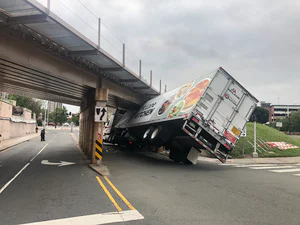
Speed and standing. A truck claim turns on records the carrier controls and on whether the defense believes the case will actually reach a jury, and our firm works both of those from the first phone call.
Trucking defense firms are repeat players who look up who they’re up against before deciding how hard to fight a claim. Our truck accident lawyers in Houston handle your file from day one in the following ways:
- A preservation letter before the tow bill clears: Written demands to hold the truck, the trailer, and the onboard data go out while the wreckage still sits in a yard.
- Courtroom standing the defense can verify: Audia Jones played Division I basketball before becoming a prosecutor and then an injury attorney, and DaSean Jones served as a decorated combat veteran and district judge before returning to trial work.
- Files taken one at a time: Our team accepts serious injury cases individually instead of running an intake pipeline that measures success by volume.
- Expert costs carried by the firm: Contingency terms cover reconstruction and vehicle inspections, so the investigation never waits on your bank account, though you may still be responsible for certain litigation costs, such as court filing fees.
Both of our attorneys built their careers in Harris County and still see the results of that work in their own community. Our team takes serious injury cases personally, which influences which matters the firm accepts in the first place.
What to Do After a Truck Accident
Getting these steps right early protects both your health and your claim:
- Call 911 and get medical attention, even if you feel fine at the scene
- Photograph the truck, trailer, DOT number, license plate, and skid marks before anything is moved
- Get the driver’s name, employer, and insurance information
- Avoid giving a statement to the trucking company’s insurer or safety director
- Contact a Houston truck accident lawyer before evidence disappears
What Makes a Truck Wreck Different From a Car Crash?
Weight, rules, and money. A tractor-trailer carries far more force than a passenger car, operates under federal safety rules, and comes with insurance limits that make carriers fight harder than any personal auto insurer would.
Those differences affect more than the paperwork. A failed brake system or blown steer tire can also bring a manufacturer into the case through a product liability claim. For the injured person, the impact is immediate:
- A carrier investigator at the scene before the road reopens
- Federal safety rules stacked on top of Texas traffic law
- Defense counsel retained before you leave the hospital
Weight is the biggest factor. Under Texas Transportation Code § 621.101, a fully loaded combination vehicle can legally weigh up to 80,000 pounds, about twenty times the weight of a midsize sedan. That difference is why even a low-speed collision can cause devastating damage.
Who Can Be Held Responsible for an 18-Wheeler Crash?
Often more than the driver. Trucking runs on layers of companies, and the business whose name is painted on the door may not own the trailer, employ the driver, or have loaded the freight that morning.
Tracing that chain is the first job our Houston truck accident lawyers take on in a commercial case, and 18-wheeler wreck claims often name several defendants as a result. Responsibility for a Houston truck collision can land on:
- The driver behind the wheel
- The motor carrier that hired and dispatched the driver
- The company that owned or leased the trailer
- The dock crew that loaded and secured the freight
- A maintenance contractor that serviced the brakes or tires
What Evidence Decides a Commercial Truck Claim?
Company records, not the police report. Most of what proves a truck case sits on servers the carrier controls, and federal rules only require a company to keep driver duty logs for six months before destroying them.
Truck accident cases require evidence beyond photos and repair estimates. Unlike typical motor vehicle accidents, trucking company records must be preserved quickly, which is why our Houston truck accident lawyers send preservation letters as soon as possible. Key evidence often includes:
- Electronic logging device records showing hours behind the wheel
- Engine control module data from the seconds before impact
- The driver qualification file and hiring paperwork
- Pre-trip and post-trip inspection reports
- Bills of lading (shipping records showing what was loaded and where) and scale weight tickets
- Post-crash drug and alcohol testing results
Federal rules govern most of that paperwork, and Texas enforces them directly. Under Texas Transportation Code § 644.051, the Texas Department of Public Safety adopts the federal motor carrier safety regulations by reference, so breaking a federal logbook rule breaks a Texas rule too.
What Causes the Most Serious Truck Wrecks Around Harris County?
Tight delivery schedules contribute to many truck crashes. Around Houston, heavy freight traffic on State Highway 225, the Grand Parkway, and other major corridors keeps commercial vehicles on the road at all hours.
The cause of the crash points to where the company failed. Collisions involving dump trucks near work zones may also involve construction accident claims. Common causes of serious truck accidents include the following:
- Drivers pushing past federal hours-of-service limits
- Brakes left out of adjustment on a loaded trailer
- Cargo that shifted because nobody strapped it correctly
- Lane changes made without checking the passenger-side blind spot
- Wide right turns that trap a car alongside the cab
Blind spots earn their own mention. A tractor-trailer has four, and the one running along the right side stretches back the length of the trailer, which is where many sideswipe collisions on Houston freeways begin.
Types of Truck Accidents We Handle
The way a truck wreck happens often shapes how we prove fault. We regularly handle:
- Jackknife collisions
- Rollover crashes
- Underride collisions (when a car slides underneath the trailer in a rear or side impact)
- Head-on collisions
- Spilled or shifted cargo wrecks
What a Houston Truck Accident Claim Can Cover
Serious truck injuries change what a claim has to account for, including economic and non-economic losses tied to severity, projected long-term care, and available insurance coverage. Damages a claim or lawsuit may cover are as follows:
- Medical treatment: Covers the past and current cost of care related to your injuries.
- Future care: A life care planner estimates the cost of future surgeries, therapy, medical equipment, and long-term assistance.
- Lost income: Compensates for wages lost while you recover.
- Lost earning capacity: An economist evaluates how the injury affects your future earnings, promotions, and retirement benefits.
- Physical pain and mental anguish: Accounts for the daily physical and emotional impact of your injuries, often supported by testimony from family and coworkers.
- Home and family losses: Includes expenses for wheelchair ramps, vehicle modifications, and the value of care provided by family members.
Layered coverage is what makes those numbers reachable. Families facing the worst outcomes carry a separate set of losses, and wrongful death claims follow their own rules in Texas.
Commercial policies sit far above personal auto limits, and working with our Houston truck accident lawyer early keeps a carrier from quietly closing the policies that matter.
Truck Accident FAQ for Houston Families
What Happens If the Truck Driver Was an Independent Contractor?
You can usually still pursue the carrier. Federal rules hold motor carriers responsible for vehicles operating under their authority, so a contractor label on a lease agreement does not automatically shift liability off the company whose number is on the door.
Who Pays Your Medical Bills While a Truck Case Is Pending?
Usually your own health coverage or a letter of protection, a written promise to a treating provider that they’ll be paid out of your eventual settlement. The at-fault carrier’s insurer will not pay bills as they arrive, and delaying treatment until a settlement lands hurts your health and your claim at the same time.
What If the Truck Was Hauling Hazardous Materials?
Different rules apply to hazardous cargo. Federal training, placarding, and routing requirements come with the load, and a violation of any one of them can support a second theory of liability alongside the driver’s negligence.
How Long Do You Have to File a Truck Accident Lawsuit in Texas?
Two years in most cases. Under Tex. Civ. Prac. & Rem. Code § 16.003, the clock starts on the date of the crash, and missing that deadline generally bars your claim no matter how strong the evidence is.
Hold the Trucking Company Accountable With Our Houston Truck Accident Lawyers
Nothing about this gets simpler by waiting. Medical bills arrive on their own schedule, work does not hold a seat open forever, and the number on the table stays low until somebody makes the company answer for it.
People across Harris County bring their hardest cases to Jones Injury Law Group, and our team tells you honestly what a claim is worth and what it will take to win. To put our Houston truck accident lawyer team on your case, call (713) 714-6519 or contact us online today.